
"natural acidity"
10000 article(s) found
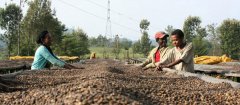
Flavor, characteristics, taste and manor introduction of naturally fermented Ethiopian coffee
Ethiopia has unique natural conditions suitable for growing all imaginable varieties of coffee. As a upland crop, Ethiopian coffee beans are mainly grown in areas between 1100 and 2300 meters above sea level, roughly distributed in southern Ethiopia. Deep soil, well drained soil, weakly acidic soil, laterite and soil are soft and contain
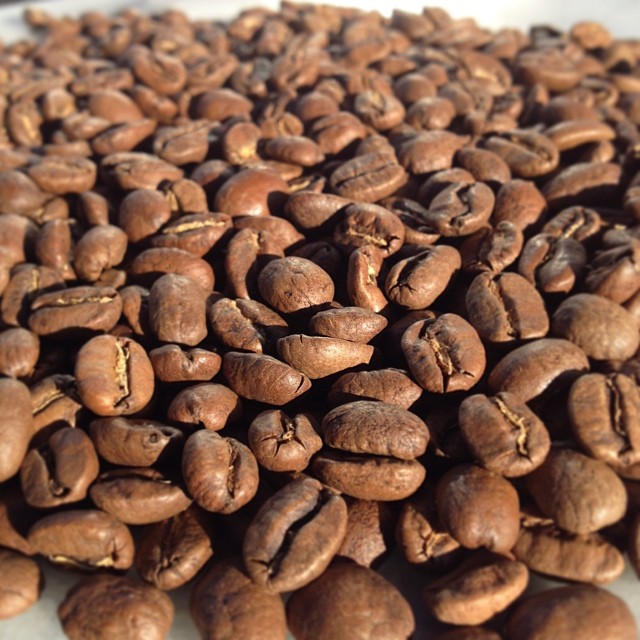
Natural fermentation and Solar Ethiopian Coffee Flavor, characteristics, texture and Manor introduction
Ethiopia has unique natural conditions suitable for growing all imaginable varieties of coffee. As a upland crop, Ethiopian coffee beans are mainly grown in areas between 1100 and 2300 meters above sea level, roughly distributed in southern Ethiopia. Deep soil, well drained soil, weakly acidic soil, laterite and soil are soft and contain

Natural fermented and mellow Ethiopian coffee flavor, characteristics, taste and manor introduction
Ethiopia has unique natural conditions suitable for growing all imaginable varieties of coffee. As a upland crop, Ethiopian coffee beans are mainly grown in areas between 1100 and 2300 meters above sea level, roughly distributed in southern Ethiopia. Deep soil, well drained soil, weakly acidic soil, laterite and soil are soft and contain
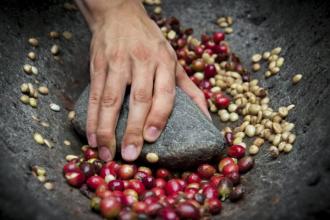
With unique natural conditions, Ethiopian coffee flavor, characteristics, taste and manor introduction
Ethiopia has unique natural conditions suitable for growing all imaginable varieties of coffee. As a upland crop, Ethiopian coffee beans are mainly grown in areas between 1100 and 2300 meters above sea level, roughly distributed in southern Ethiopia. Deep soil, well drained soil, weakly acidic soil, laterite and soil are soft and contain

What's salt coffee? A cup of coffee with a teaspoon of natural salt.
Add 1/4~1/6 teaspoon of natural salt to a cup of coffee, plus lactic acid bacteria and other ingredients that adjust the intestinal environment. It can eliminate constipation, improve intestinal environment, increase enzyme quantity and improve enzyme efficiency. Caffeine, the main component of coffee, has awakening and diuretic effects; it can dilate bile ducts, accelerate the excretion of toxins and wastes in the blood; it can also increase the secretion of gastric juice and improve the score.
Natural fermentation, mellow and sun-dried Ethiopian coffee flavor, characteristics, taste and manor introduction
Ethiopia has unique natural conditions suitable for growing all imaginable varieties of coffee. As a upland crop, Ethiopian coffee beans are mainly grown in areas between 1100 and 2300 meters above sea level, roughly distributed in southern Ethiopia. Deep soil, well drained soil, weakly acidic soil, laterite and soil are soft and contain

Variety characteristics of fermented Natural Solar Ethiopian Coffee introduction to Fine Coffee Bean in Manor
Ethiopia has unique natural conditions suitable for growing all imaginable varieties of coffee. As a upland crop, Ethiopian coffee beans are mainly grown in areas between 1100 and 2300 meters above sea level, roughly distributed in southern Ethiopia. Deep soil, well drained soil, weakly acidic soil, laterite and soil are soft and contain
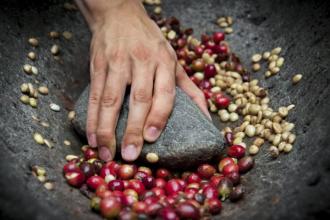
Taste characteristics of Solar fermented Natural Ethiopian Coffee introduction to Fine Coffee Bean in Manor
Ethiopia has unique natural conditions suitable for growing all imaginable varieties of coffee. As a upland crop, Ethiopian coffee beans are mainly grown in areas between 1100 and 2300 meters above sea level, roughly distributed in southern Ethiopia. Deep soil, well drained soil, weakly acidic soil, laterite and soil are soft and contain

Honey-treated coffee bean grading system _ are Costa Rican coffee beans treated with black honey?
Professional coffee knowledge exchange more coffee bean information Please pay attention to the coffee workshop (Wechat official account cafe_style) after the coffee fruit has been planted and harvested in the manor, then there is the most important step in addition to the variety, planting site and other most important steps of post-processing. At present, most of the treatment methods are mainly sun exposure, semi-washing and washing, as well as several special honey treatments.

The New World characteristics and Origin Story of the 11 most Common Coffee Bean varieties
There are still stories of shepherds about the origin of coffee. Whether the story is true or not, it is undeniable that most coffee beans do come from Ethiopia, Sudan and Yemen. After leaving the country of origin, most coffee beans have genetic mutations or artificial hybrids under natural conditions. You may have heard of Ethiopian native species, rose summer, but coffee in the world

Characteristics of natural fermented, mellow and insolated Ethiopian coffee varieties taste manor boutique coffee bean flavor
Ethiopia has unique natural conditions suitable for growing all imaginable varieties of coffee. As a upland crop, Ethiopian coffee beans are mainly grown in areas between 1100 and 2300 meters above sea level, roughly distributed in southern Ethiopia. Deep soil, well drained soil, weakly acidic soil, laterite and soil are soft and contain
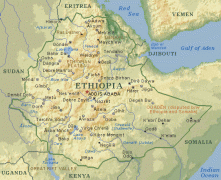
Home-baked boutique coffee (4) Yega Xuefei, Ethiopia
When it comes to coffee, friends who like coffee all know the name of Ethiopia, and when it comes to Ethiopia, Yega Xuefei is a highly related word for her rich fruit and flower fragrance, bright acidity and strong chocolate flavor have won the favor of millions of coffee lovers. Yega Xuefei is actually southern Ethiopia in English yirgacheffe

Variety characteristics of naturally fermented sun-cured Ethiopian coffee introduction to the flavor of fine coffee beans in the manor
Ethiopia has unique natural conditions suitable for growing all imaginable varieties of coffee. As a upland crop, Ethiopian coffee beans are mainly grown in areas between 1100 and 2300 meters above sea level, roughly distributed in southern Ethiopia. Deep soil, well drained soil, weakly acidic soil, laterite and soil are soft and contain

Taste characteristics of natural Ethiopian coffee fermented in the sun introduction to the flavor of fine coffee beans in the manor
Ethiopia has unique natural conditions suitable for growing all imaginable varieties of coffee. As a upland crop, Ethiopian coffee beans are mainly grown in areas between 1100 and 2300 meters above sea level, roughly distributed in southern Ethiopia. Deep soil, well drained soil, weakly acidic soil, laterite and soil are soft and contain
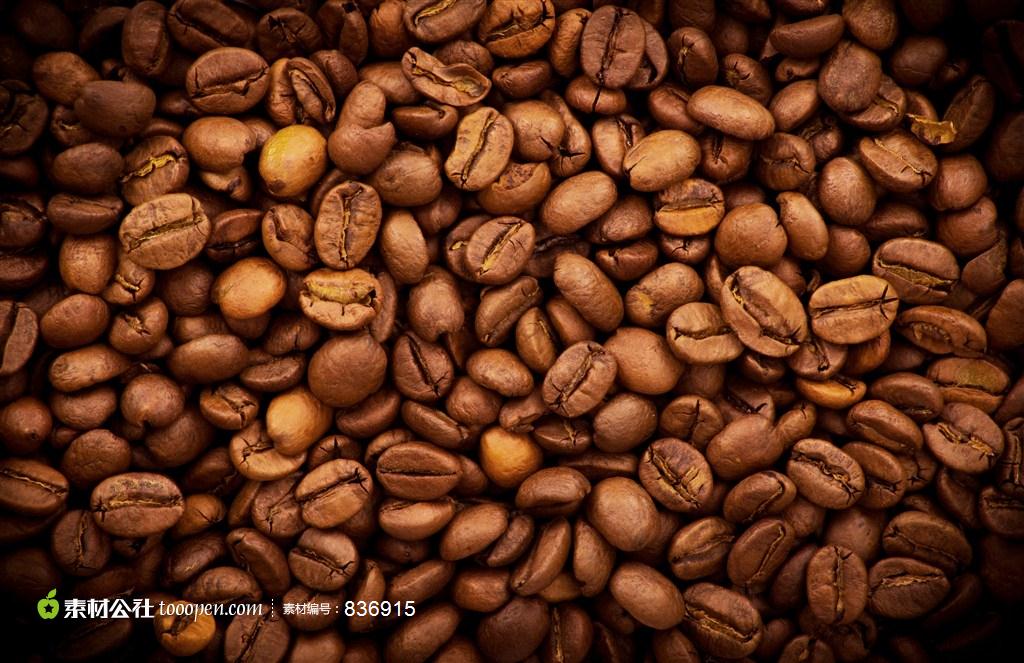
Introduction to the flavor of high-quality coffee beans in the manor characteristics of natural Ethiopian coffee fermented in the sun
Ethiopia has unique natural conditions suitable for growing all imaginable varieties of coffee. As a upland crop, Ethiopian coffee beans are mainly grown in areas between 1100 and 2300 meters above sea level, roughly distributed in southern Ethiopia. Deep soil, well drained soil, weakly acidic soil, laterite and soil are soft and contain

Is the acid of coffee fruit acid or acetic acid? why should we identify these flavors?
When drinking coffee in a restaurant since childhood, no matter what the price or grade of coffee is, it must be a little bitter. Children have the most frank taste buds and are mostly resistant to coffee. This is actually the nature of animals; many poisons in nature, including caffeine, are bitter. Human tolerance for the bitterness of coffee stems to a large extent from the pursuit of the refreshing effect of caffeine. Really good coffee should not.

Introduction to the characteristics of coffee flavor and taste manor of Hassanda Coffee Garden in Ecuador with balanced acidity
In addition, creative coffee made from Ecuadorian coffee beans with unique flavor is also popular with consumers. Mr. Veniso, the champion of the 2014 Ecuador Coffee Competition, won the Ecuador Coffee Competition with his creative formula. One espresso has a fresh and unique taste with mint grass from the Amazon, while the other has a rose-like Rolls-Roy.

Colombian coffee beans are sour? Why is the coffee sour? how to deal with the acid in the coffee beans?
Do you know? 2000-8000 taste buds? These small sensory cells are responsible for taste perception. Generally speaking, taste belongs to one of five tastes: sweet, salty, bitter, sour and flavor usually comes from the back edge of our tongue. But it is worth noting that acidity is not confused with acidity. Now, it is important to note that coffee naturally contains acidity. And

Health risks among coffee partners
If you ask what a coffee partner is, most people might say: it's milk that makes coffee white and thick. In fact, if you carefully look at the instructions on the coffee partner, I am afraid you will find that the truth is thousands of miles away. In fact, the trans fatty acids contained in it have been recognized by the nutrition community to be harmful to cardiovascular health. On the front of the coffee partner, there are three small characters

A relatively rare variety of high-alcohol and medium-acidity coffee in coffee, Papua New Guinea Coffee beans.
Papua New Guinea has a detached and primitive natural environment and its land is vast and fertile. Its unique volcanic rock soil and abundant rainfall create excellent natural conditions for the growth of coffee. The top coffee beans in Papua New Guinea are as beautiful and precious as the country's national bird of paradise. Coffee is widely grown in the country at an altitude of 1300 to 1800 meters above sea level.